Bold Typography: A Master Key to Unlocking Inspiring Print Design
Bold typography plays a pivotal role in producing striking and aesthetically pleasing print designs. It has its unique way of grabbing attention, setting the tone, and conveying central messages in a design. Let’s delve into the intrinsic details of bold typography to uncover some of the best print design inspirations.
Focus on Bold Typography
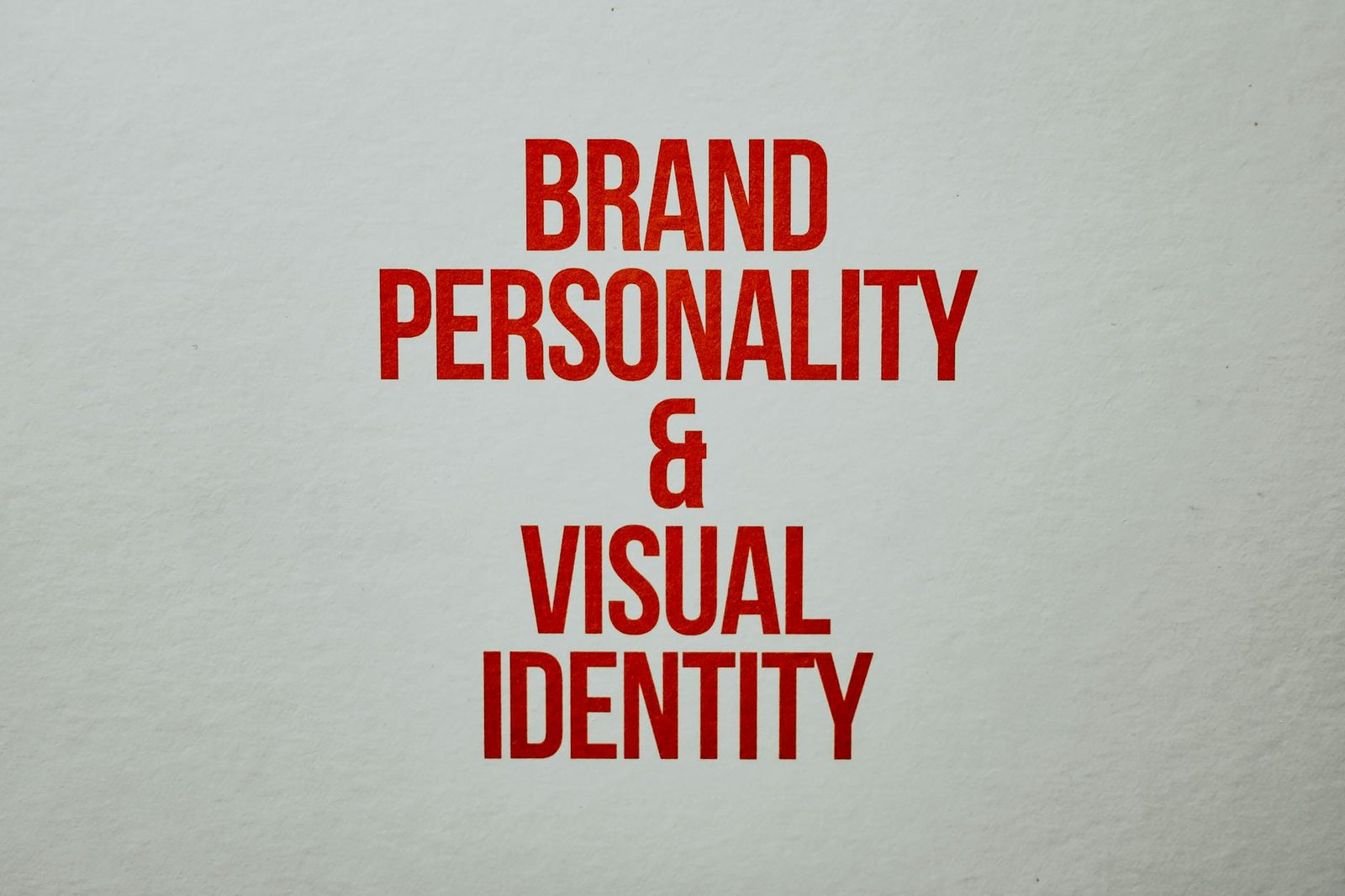
Bold typography typically refers to the use of heavy weight typefaces. It can also refer to the strategic use of color, size, and spacing to create emphasis on certain elements in a design. Bold typography often captivates the audience, grabs their immediate attention, and makes a design more readable and accessible.
The Power and Impact of Bold Typography
Selective use of bold fonts can bring your design to life. It is a fantastic way to create emphasis and contrast within your designs. Whether it’s a brand logo, a book cover, or an advertisement, boldly styled letters can add a strong visual appeal that instantly draws the viewer’s attention.
Furthermore, clever use of bold typography can significantly improve readability, particularly in print design where haptic sensation adds another layer of interpretive richness. When navigating through dense content, bold typefaces serve as waypoints guiding the reader’s eye, prioritizing information and thus, facilitating information processing and comprehension.
In essence, the power of bold typography lies in its boldness – the courage to stand out, the audacity to be different, and the strength to convey complex ideas succinctly.
Unlocking Print Design Inspiration with Bold Typography
So how exactly is bold typography being used as a creative tool to unlock print design inspiration? Let’s look at some innovative ways.
1. Creating a Focal Point: If your design involves a lot of textual elements, bold typography can help set the focal point of your design. By using a bolder, larger font for the central message, you can guide the viewer’s eye directly to it, giving your design direction and flow.
2. Contrast and Hierarchy: Bold typography can create a hierarchy in print design. Designers often use bold typefaces to make headlines or key information stand out. The contrast between the bold typefaces and the other text helps readers understand the priority and order of the information presented.
3. Building Mood and Brand Identity: Bold typefaces often have strong personalities. They can evoke certain moods and convey specific emotions. For instance, a thick, sans-serif bold font might evoke a modern, clean, and direct feeling. Businesses often leverage this phenomenon to build a visually consistent brand identity across all print and digital platforms.
4. Pushing Boundaries with Experimental Typography: Bold doesn’t just mean big. Numerous designers are now pushing the boundaries of conventional typography, experimenting with bold typeface styles that go beyond the mere enlargement of letters. This involves using typefaces in surprising and innovative ways, such as cropping letters, distorting proportions, or combining different typefaces to create a unique print flair.
Final Thoughts on Bold Typography in Print Design
Bold typography is more than just a design trend. It’s a powerful tool that, when used effectively, can rouse emotions, stir imagination, command attention, and make a lasting impression. By daring to be bold, designers can communicate complex narratives in simple, accessible, and aesthetically pleasing ways.
Whether you’re an experienced designer or just beginning your artistic journey, bold typography can provide a wealth of inspiration for your next print project. Remember, in design as in life, boldness often spells success.