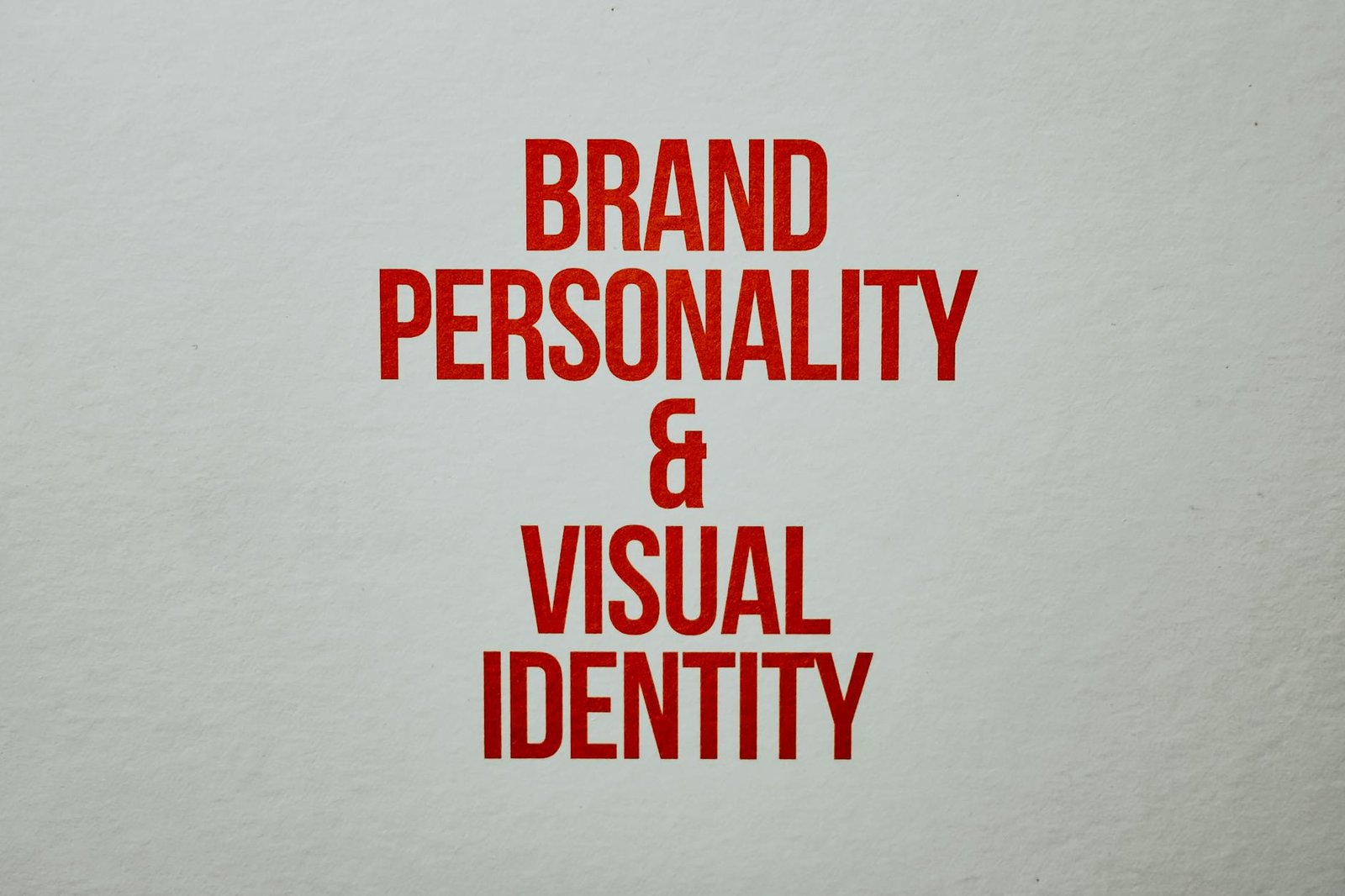
Bold Typography: Unleash Stunning Print Design Inspiration Today
Bold typography has become a vital tool in the palette of graphic designers, promising to transform ordinary graphics into striking visual art. It pushes the boundaries of design creativity, opening endless possibilities for captivating and effective print design. This article dives into the nuances of bold typography, how it can inspire breathtaking print design, and why it’s more relevant in today’s digital-focused world.
Incorporating Bold Typography into Your Print Design
Bold typography involves using larger, commanding, and impactful fonts that demand attention. It plays a critical role in delivering messages effectively in print designs. From brochures, magazines, event posters, to billboards, bold typography plays out to attract, engage, and hold the viewer’s eyes.
But how can you incorporate bold typography into your print designs? First and foremost, it all starts with the choice of typeface. The typeface should be thick and powerful, yet readable. It needs to create a stark contrast with the rest of the elements on the page. But it’s not just about size; colors, forms, and shapes also come into play to add more visual weight to your typography.
Secondly, spacing plays an equally crucial role. Adequate spacing between words and letters can markedly enhance readability. Be mindful of ratios, proportions, alignments, and kerning – they all contribute to creating balanced and harmonious designs.
Last but not least, don’t forget the context. While bold typography can make powerful statements and draw attention, it’s critical that it aligns with the design’s overall context, style, and purpose. A random bold font thrown in without much thought can end up looking foolish and out of place.
Bold Typography: A Game-Changer in Today’s Digital World
With the surge in digitalization, you might wonder, why focus on print design? Interestingly, the rise of digital media has not eclipsed print design but instead presented new opportunities to reinvent it. In a world where people are constantly bombarded with information, bold typography stands as a hero, making print designs more tangible and impactful.
Today, bold typography has flown from the realms of graphic designing into the broader communications landscape. Whether it’s a business seeking to make their logo more memorable, or a social campaign striving to get its message across, bold typography is becoming a reliable ally.
Furthermore, studies indicate that people can remember printed material better than digital counterparts. Physical engagement with printed objects can create a deep impression, and this where bold typography can enhance the recall value of your designs.
Fueling Print Design Inspiration with Bold Typography
It comes down to how the potential of bold typography is effectively harnessed. When done right, it can create awe-inspiring print designs that not only communicate but also resonate with the audience. It can help differentiate your design from the clutter, add an element of surprise, reinforce the identity, and express strong emotions.
To foster your creativity, you can explore various typographic styles like slab serifs, sans serifs, or grotesque types in their powerful, bold forms. Also, playing with type scaling, warping, or layering can lead to interesting results. Try to master the art of hierarchy in typography, understand what needs to be emphasized, and deliver it amazingly with bold type.
In conclusion, exploring and embracing bold typography is a potent way to elevate your print design practice. It promises to create impressive visual experiences, driving a genuine interest and engagement from viewers. So, unleash your design potential today and dive into the world of bold typography, and who knows, your print design might just set a new trend!