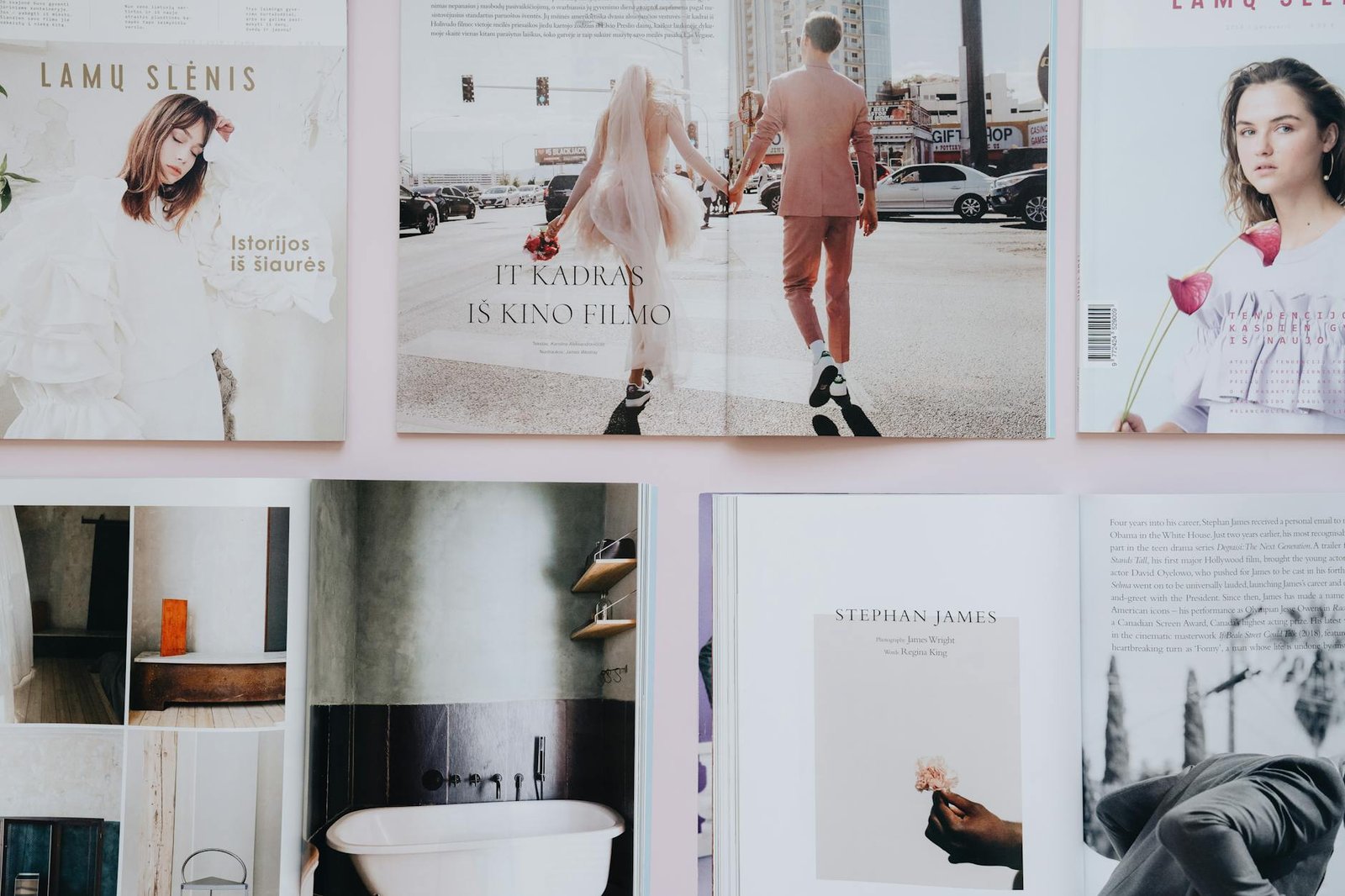
Stunning Minimalist Print Design Trends
Designing is all about expressing ideas with aesthetics. As we watch the growth in trends like minimalism, it becomes clear that less is often more. Minimalist print design trends have been taking center stage for modern brands, and this assertion is not without grounds. In our era of fast information overload, minimalist design serves as a breath of fresh air, providing necessary relief with its simplicity and elegance.
The concept of minimalist print design takes root in the fundamental idea of simplicity. These designs lack excessive elements and focus more on the content, making them highly effective in delivering the message clearly and promptly. When it comes to modern branding, these minimalist design trends are skyrocketing in popularity, laying the foundation for brands to communicate their philosophy without overwhelming the audience.
1. Simple, Bold Typography
One of the hallmarks of minimalist design is the use of simple, bold typography. This trend puts the written message on the forefront, ensuring it gets noticed. Also, brands are not just sticking to traditional fonts anymore. Instead, they’re experimenting with various fonts, leveraging large, bold texts that express their brand personality in a more pronounced manner.
2. Monochrome and Neutral Colors
While flashy and vibrant colors may catch the eye, the minimalist approach emphasizes a more refined color pallet. Monochrome and neutral tones provide an elegant, modern background, making the design look clean and cohesive. Shades of grey, white, beige, and black are the common colors used in minimalist design trends. Whether it’s a brochure or a product packaging, a splash of neutral color can make a big difference.
3. Maximal White Space
An abundance of white space is another distinctive feature of minimalist print design. This is not necessarily white but any unfilled, open space in a design. The idea is to allow the elements in your design to breathe, creating more focus on the important parts. It gives the eyes a much-needed rest and aids readability, hence making the communication highly effective.
4. Organic Shapes and Lines
Form plays a crucial role in minimalist print design, and lately, organic shapes and lines are the star players. Unlike their geometric counterparts, organic shapes are uneven and irregular but they give the design a natural, harmonious feel. These designs feel somewhat soothing and can be an ace card when you’re trying to create an emotional connection with your audience.
5. Flat Design Illustrations
Flat design or 2D illustrations are a trendy aspect of minimalist print designs. They’re characterized by a lack of any “realistic” attributes like shadows, gradients, and textures. The simplicity of flat design illustrations enables the quick delivery of the message. It also lends to easy scaling, making them highly versatile for various print mediums.
In summary, these key minimalist print design trends, far from being a passing fad, have come to stay and solidify themselves as the heart of modern branding. They offer a visually pleasing, clutter-free design while maintaining the primary goal of effective communication.
Incorporating them is a sure-fire way to ensure your brand stands out in today’s crowded marketplace. It’s vital for businesses to stay updated and adapt to minimalist print design principles to create an engaging, memorable brand impression.
Remember, minimalist design does not mean it lacks elements. It means every pixel that serves no functional purpose is left out, making your message more impactful and memorable. Whether you’re a well-established brand or a startup, embracing these minimalist design trends can add a contemporary edge to your business image.
The challenge of minimalist design is to simplify without eliminating the essential. The end result is aesthetic simplicity, sophisticated branding, and improved customer engagement – indeed, less is more.