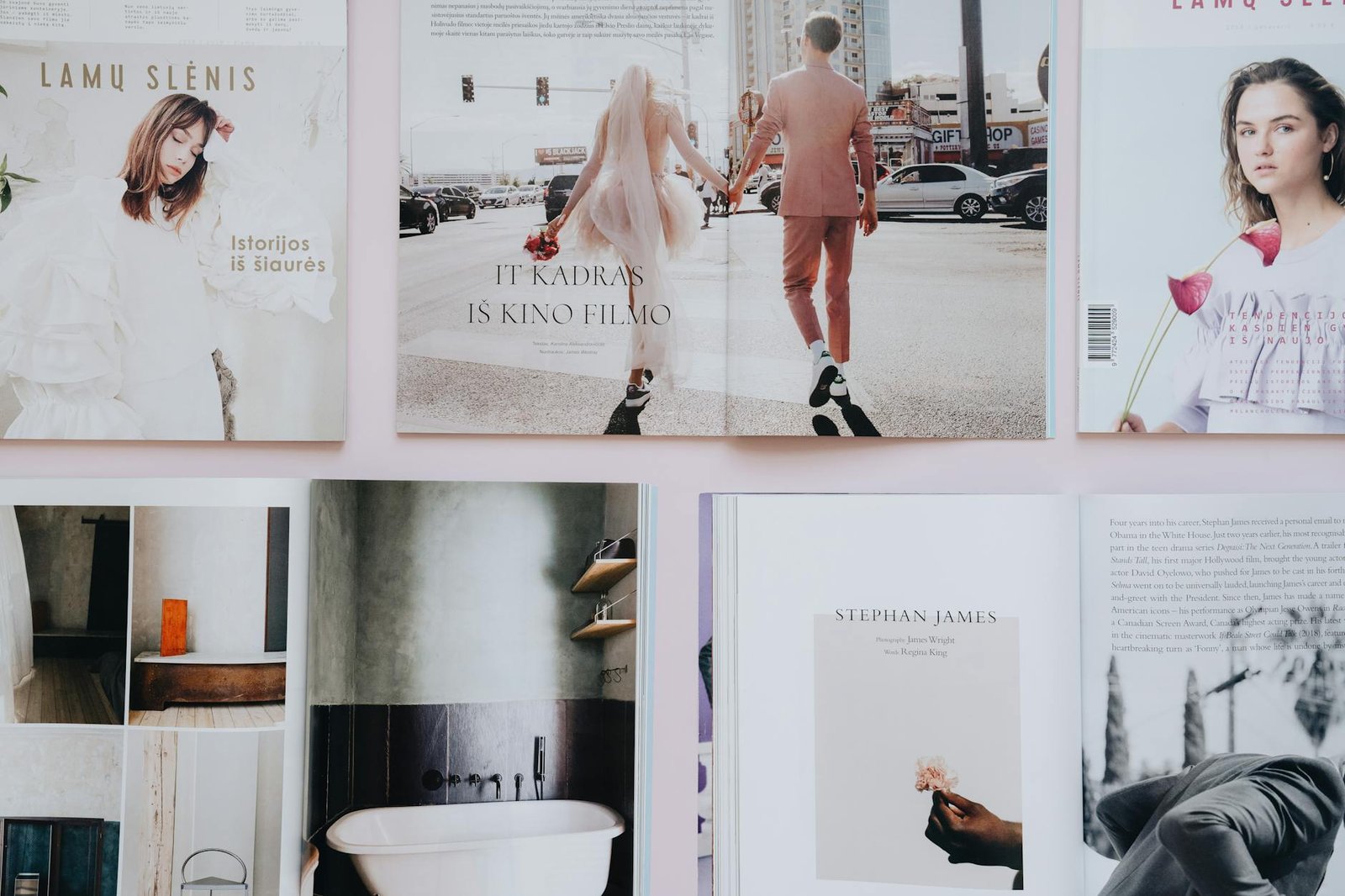
Minimalist print design is a captivating trend that continues to captivate audiences and foster successful branding. It is a style emphasizing simplicity, functionality, and clean lines, where ‘less is more’ rings true. Businesses and designers, from small startups to established corporations, have adopted this approach to leave indelible marks in their respective industries. This article reviews the unmissable minimalist print design trends that have been instrumental in propelling brands to success.
Embrace the Power of Negative Space
Negative space, also known as white space, is a powerful tool in minimalist print design. It allows elements within a design to breathe and stand out by providing a visual buffer around them. This aspect is a departure from heavily cluttered designs that often overwhelm readers. Successful brands such as Apple have heavily relied on negative space in their print advertising, offering an uncluttered environment that lets their product shine. By using fewer elements but maximizing the impact of each, brands can create compelling advertising that sticks in the audience’s mind.
Typography: Less is More
Minimalist design doesn’t neglect the importance of typography; instead, it streamlines it. In the era of minimalist print design, the common trend is to go for clean, clear, and easy-to-read fonts often limited to one or two per design. Brands are honing in on select typography that aligns with their brand’s personality and sticks with it, ensuring consistency and recognition. Additionally, the size of typography matters, with larger, bolder font often making a more significant impact in a minimalist design.
Subdued Color Palette
One of the noticeable characteristics of minimalist print design is its tendency towards a subdued or monochromatic color palette. Bright, splashy colors can be wonderful, but they can also be distracting. By using a more subdued color palette, minimalist design forces the viewer to focus on individual elements. Think of the iconic Tiffany blue – simple yet incredibly memorable. Keeping it limited to two or three colors can help establish a strong, consistent, identifiable branding.
Powerful Imagery with Simplicity
Minimalist design doesn’t mean you have to avoid images. On the contrary, it encourages the use of powerful, high-quality imagery—but with a catch. The images should be simple and uncluttered, supporting rather than detracting from the design as a whole. This trend pushes brands to carefully select or create images that convey their message and ethos succinctly, without unnecessary additional elements that could distract from the main points.
Geometric Shapes and Line Art
Geometric shapes add interest and structure to minimalist print design, allowing various elements to be neatly contained or highlighted. Combined with line art—clean, precise lines forming an image or pattern—these can introduce a creative edge, draw attention, and contribute to the brand narrative. Intel’s geometric logo or Airbnb’s line art-based brand design is fantastic examples of this trend done right.
Conclusion: Clarity and Impact
The minimalist print design trends that successful brands have embraced majorly revolve around the principle of clarity. By reducing complexity, brands allow the essential elements of their message and identity to shine. Ultimately, minimalist print design trends promote better communication, recognition, and impact on the audience—an undeniable recipe for success.